4 modi per creare un cultura pulita
16 settembre 2014 § Lascia un commento
NON E’ MAI TROPPO TARDI PER CAMBIARE
questo potrebbe essere la corretta introduzione all’articolo che vi proponiamo
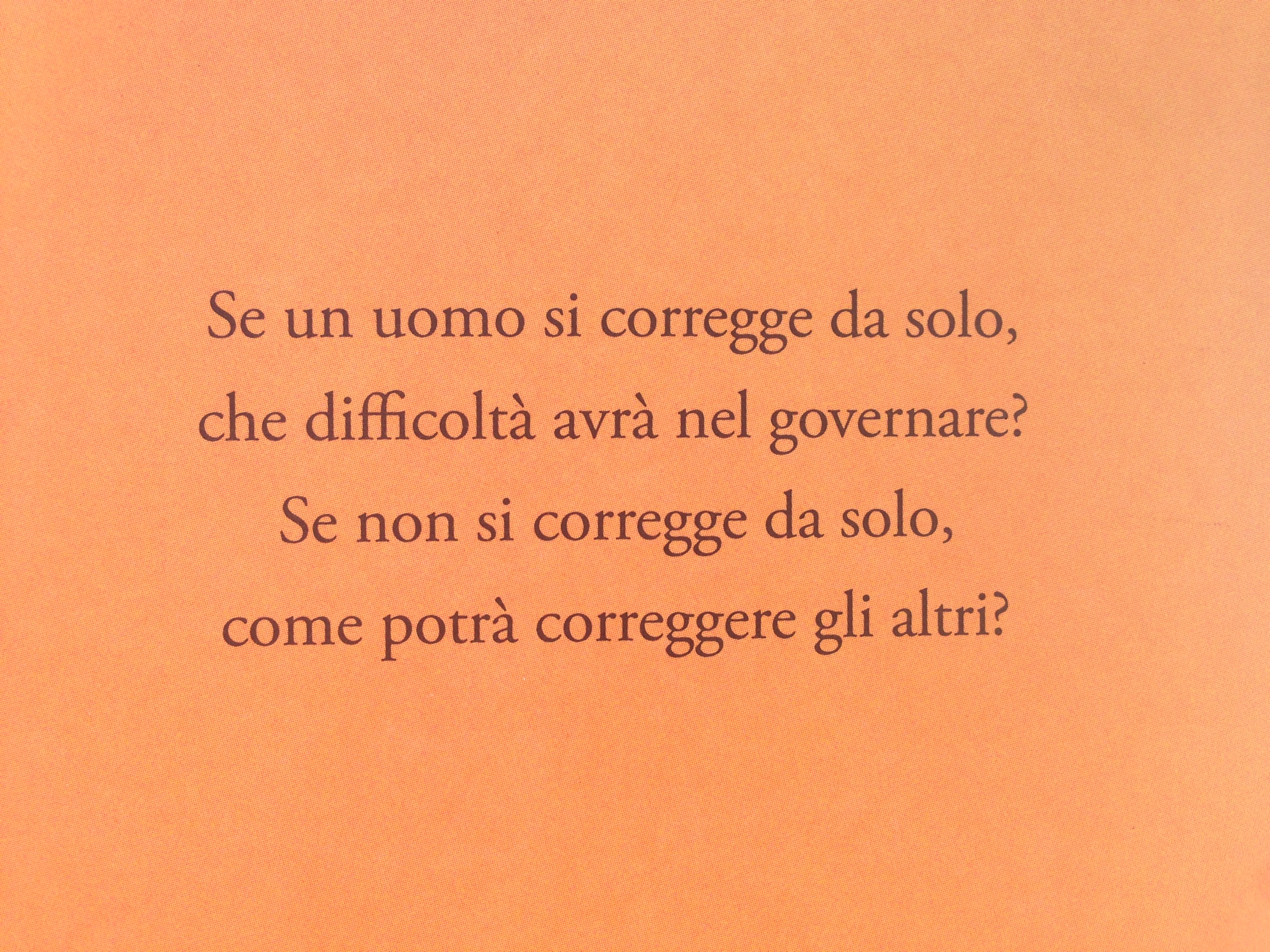
UN LEADER DEVE ESSERE IN GRADO DI METTERSI IN GIOCO, CAPIRE QUALE E’ IL MOMENTO DI CAMBIARE E COME SI POSSONO SVILUPPARE LE ATTIVITA’ IN FUNZIONE DEL MONDO.
BUONA LETTURA
by Joseph Grenny
When leaders want to create an open culture where people are willing to speak up and challenge one another, they often start by listening. This is a good instinct. But listening with your ears will only take you so far. You also need to demonstrate with words that you truly want people to raise risky issues.
Take the former president of a major defense company, whom I will call Phil. No one at the 13,000-employee firm believed Phil when he announced that he was going to create a culture of candor and openness. And why should they? He already had three strikes against him: his workforce, his past performance, and his manner.
First, Phil’s workforce had successfully repelled every attempt at culture change in previous decades. Well-intended change efforts had continually failed. Why would this time be different? Second, his own leadership history was not exactly one of give-and-take. He had a command and control style and the closest he got to dialogue was one-way “management briefings” he held monthly with his “chain of command.” And finally, he was imposingly large, his face was one of studied expressionlessness, and his voice had an involuntary imperiousness even when asking you to pass the salt.
And yet, Phil needed to dramatically improve quality and costs at the 60-year-old tactical aircraft designer and manufacturer — and he knew that the stifling culture was suppressing the very ideas he needed. Once he set out to better engage his employees, however, within a matter of months he succeeded at transforming the company culture.
Like many leaders, Phil’s first attempt at fostering candor was by using his ears. And it immediately fell flat. At the end of a highly scripted management briefing he announced, “I will now take questions. You may ask anything you wish.” He scanned the audience for raised hands. None. Thirty painful seconds later he would have been happy for even a twitch to indicate engagement. Crickets.
While some executives would have blamed the audience for its timidity, Phil understood the problem was a lack of safety. He reasoned that the behavior he was trying to encourage was so counter-cultural that any rational person would be terrified to try it.
With the studied intensity of a good engineer, he decided to demonstrate that this defense company was a safe place to talk about anything. Employees had decades of data from their own painful experiences that told them taking a risk to raise controversial questions was quickly punished. Phil and his senior team needed to produce enough disconfirming data to call these fears into question.
Phil did four things that went beyond listening:
Praise publicly. He created a safe forum for people to raise questions—then spoke publicly about those who asked them in laudatory ways. It may sound like small potatoes, but simply adding a column called “Ask the President” to the weekly internal newsletter was a daring move. He instructed his communication team to forward him the most universally asked and highly sensitive questions. He personally penned every response. He was careful to sympathize with the questioners and to validate their concerns. The workforce took note—seeing evidence that disagreement would no longer be treated as insubordination. Questions could be asked anonymously or not, and over time more and more of the questioners identified themselves — which gave Phil a chance to commend them in the newsletter for their candor. Public praise is more about influencing those who hear it than those who receive it.
Prime the pump. Phil began meeting regularly with groups of opinion leaders from throughout the organization — encouraging them to bring their toughest questions. One topic that never came up was criticism of a major reorganization Phil imposed two years previously. So he primed the pump. In one of these sessions he said, “How are you feeling about the IPT/Team structure we started two years ago? I’m sure there are frustrations with this one. What barriers are you facing? What isn’t working?” When people don’t feel safe speaking up, leaders can show that it is safe by saying the hard things themselves. By saying the unsayable, and doing so with a tone of voice that suggested respect for this view, Phil created a little more safety. And the dam burst. For the next 90 minutes the group poured out their views on the inadequacies of the new structure. Phil acknowledged their concerns and invited them to discuss modifications to the model. Most importantly, this influential group began spreading the word that Phil was sincere about being open to criticism.
Lead by teaching. Phil went beyond encouraging openness to teaching it. He and his senior team taught hour-long sessions on how to have what my colleagues and I call “crucial conversations” — how to diffuse strong emotions, how to speak candidly without provoking resistance, how to quickly build rapport, and so on. As people acquired these new skills, their confidence in speaking up increased. The fact that Phil personally taught the skills showed how invested he was in having open conversations.
Sacrifice ego. On one memorable occasion Phil said in front of a group of middle managers: “I’ve been told I am unapproachable. I don’t know what that means. I would appreciate any specific feedback any of you would be willing to offer me.” The rest of the group looked on in awe as one brave soul, a manager named Terry, raised his hand. “I would be happy to, Phil.” Terry met later with Phil and gave a couple of suggestions – which Phil then shared publicly. Phil sacrificed his ego to show how much he valued candor and openness and that people were safe with him.
For two years my colleagues and I measured the frequency of people raising risky issues with peers, subordinates, as well as with senior managers at this defense company. Within the first few months of Phil’s campaign, these measures shot up by double digits, and continued to increase during the rest of this period. For example, employees were 15% more likely to report that they were comfortable sharing bad news up the chain of command—a remarkable change from the past.
Listening matters. But sometimes you’ve got to open your mouth too and make positive statements to generate the safety people need.
il cambiamento è la nuova normalità
20 marzo 2011 § Lascia un commento
Attraverso alcune collaborazioni, è stato particolarmente illuminante vedere come le persone stanno affrontando una serie in continua evoluzione di sfide dell’innovazione. Data la diversità dei paesi,delle industrie (dall’energia alle Telecomunicazioni, dal governo al non-profit) e delle dimensioni aziendali (multinazionali estart-up) ci sono alcune analogie sorprendenti che emergono. Provate a vedere se queste sensazioni “familiari”, e considerate se sono trend è verso l’alto o verso il basso per il vostro business:
Sfida 1:
Commodities due fattori stanno cospirando per aumentare le preoccupazioni sulla rapida “Commoditizzazione”: le pressioni sui prezzi da parte dei clienti sempre attenti al budget, e la compressione del mercato generata dalla concorrenza (concorrenza sempre più spietata).
Queste equivale a una corsa verso il basso sul prezzo, e l’incapacità di distinguere se non sul prezzo, creando una spirale di morte. Non sorprende, dato lo stato dell’economia, che questa situazione era ancora più pronunciata di 12 mesi fa, e poche persone sono ancora in grado di vedere la fine della spirale.
Sfida 2:
La semplicità L’anno scorso ci si è concentrati su come i clienti sono sempre più esigenti. Quest’anno la tendenza si è spostata in modo sottile: i clienti ora sono alla ricerca di semplicità. Questo significa che le soluzioni in bundle, dove si fornisce un end-to-end dei pacchetti, in particolare per le aziende B2B, I clienti sono disposti ricevere un’offerta con meno opzioni se possono ottenere un prezzo più basso (vedi sfida 1).
Per le aziende che abituate a lavorare in high-touch, ad alta segmentazione, le modalità di personalizzazione elevata (molto comune fino a due-tre anni fa), può essere un passaggio difficile.
Sfida 3: Rischio Il tema del nostri incontri è stata l’innovazione, e la maggior parte delle aziende rappresentate ha esposto una serie di sforzi e progetti di innovazione applicati per diversi anni.
Molti tra questa erano in gran parte, o sono stati fermati drammaticamente o ridimensionati negli ultimi due anni, e pochi erano a pronti partire su scala significativa.
Questa era una fonte di frustrazione per molte persone, le quali ritiengono che le prime 2 sfide non possono essere adeguatamente risolte senza affrontare i rischi che derivano dall’innovazione. Molte aziende hanno tagliato così tanto in questi ultimi anni che la crescita top-line deve essere messa a fuoco nuovamente, soprattutto se non si è una società intrinsecamente impostata per essere ottimizzata per la gestione delle materie prime.
Si manterrà questa tendenza?
Il cambiamento è la nuova normalità: nessun settore è ancora in piedi in questi giorni, e questo significa che le sfide che l’innovazione ci pone di fronte sono in costante evoluzione.
Un segno preoccupante del nostro piccolo campione è che molte aziende sono ancora in modalità troppo reattiva a queste sfide, e rischiano di non fare abbastanza per spingere elegantemente in nuove aree e porre i semi per la crescita in preparandosi quindi al termine della recessione.
Farebbero bene a fare un passo indietro dalla corsa delle operazioni giorno per giorno e prendere in considerazione una strategia per i prossimi uno-a-due anni che non si assume attraverso la sfida 2.
Quale sarà la prossima serie di dimensioni competitive? Se non vi state ponendo ora queste domande, sarete indietro, quando l’economia tornerà alla vita.
informazioni tratte da HBR
 Wtco
Wtco 
Devi effettuare l'accesso per postare un commento.